Smishing (text message scams): what to do
Smishing is phishing delivered by SMS (text message). It is one of the most common scam methods targeting people in the UK. Ofcom research found that almost 45 million people received a suspicious call or text in a single three-month period. This guide explains how to recognise smishing messages and what to do.
Reading is great. Tracking makes it stick. Sign up for a free Dashboard to tick off tasks and see your Security Score.
Get my free Dashboard →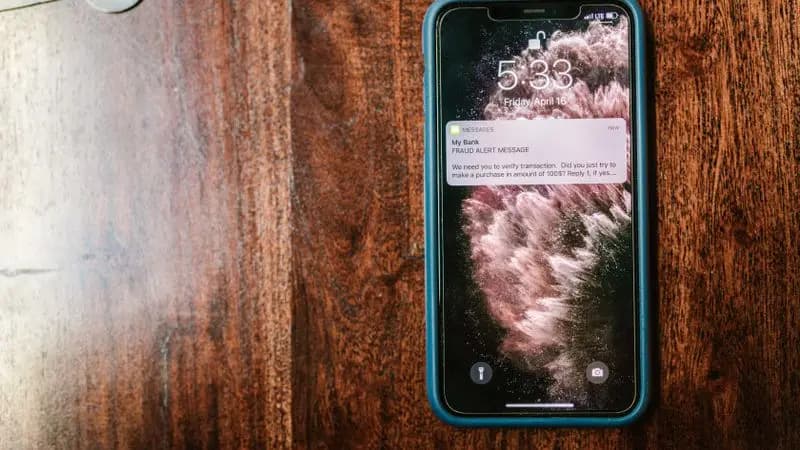
Cyber Nova AI helps you prepare for Cyber Essentials. It doesn't award or certify it. Follow the steps here to get ready, then apply for certification through an accredited Cyber Essentials body when you're set.
What is smishing?
Smishing (SMS phishing) uses text messages to trick you into clicking a malicious link, calling a fraudulent number, or replying with personal information. Attackers send millions of messages at once, knowing only a small proportion need to succeed for the attack to be profitable.
3 steps
The most common smishing scenarios in the UK
These are the scam types most frequently reported to Report Fraud in the UK:
6 steps
How to spot a smishing message
These characteristics appear in most smishing attempts:
6 steps
What to do when you receive a smishing message
How to respond without putting yourself at risk:
6 steps
Track your Android security progress. Free.
Create a free account to tick off tasks, see your Security Score improve, and know exactly what you've done and what's still to do.
Start your free security check