Using a VPN on Windows
A VPN, or virtual private network, creates a private, encrypted tunnel for your internet traffic. It's useful in specific situations rather than something everyone needs all the time.
Reading is great. Tracking makes it stick. Sign up for a free Dashboard to tick off tasks and see your Security Score.
Get my free Dashboard →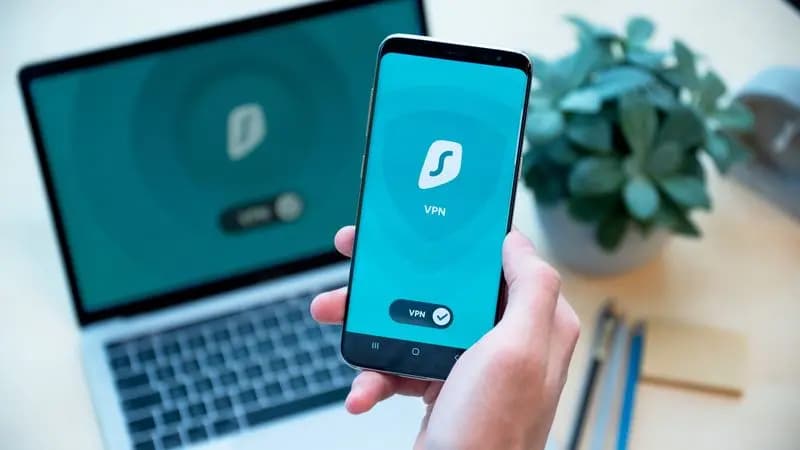
Cyber Nova AI helps you prepare for Cyber Essentials. It doesn't award or certify it. Follow the steps here to get ready, then apply for certification through an accredited Cyber Essentials body when you're set.
When a VPN helps
A VPN is worth using on public Wi-Fi, such as in a cafe, hotel, or airport, where you can't trust the network. It stops others on that network seeing what you're doing. It's also useful when travelling.
When you don't need one
On your own home network, behind your router, a VPN adds little for most people. Don't feel you have to run one constantly.
How to set one up
Choose a reputable paid provider rather than a free one, as free VPNs often make their money from your data. Install the provider's Windows app and sign in. Windows also has a built-in VPN client under Settings > Network & internet > VPN if your provider gives you manual settings.
A realistic note
A VPN protects your traffic in transit. It doesn't replace antivirus, updates, or strong passwords. Think of it as one useful tool for untrusted networks, not a magic shield.
Track your Windows security progress. Free.
Create a free account to tick off tasks, see your Security Score improve, and know exactly what you've done and what's still to do.
Start your free security check